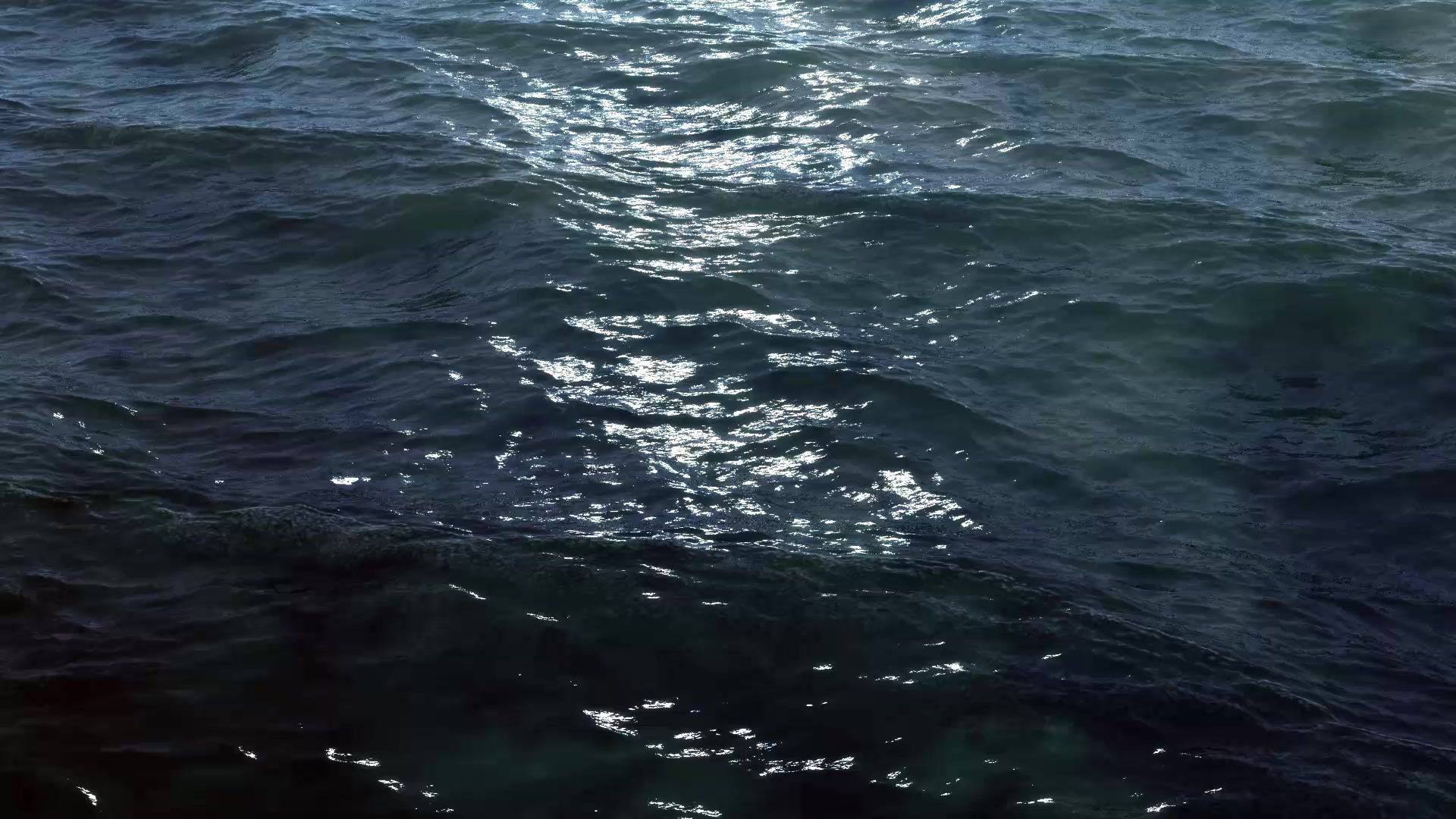


《葉浪投奔怒海日記》是一段充滿艱辛與希望的旅程記錄,記載了作者與哥哥在1979年至1981年間,從越南逃難至馬來西亞,最終抵達加拿大的經歷。這段日記不僅是個人逃難的見證,更是那個時代許多越南船民(Boat People)的共同記憶。
日記摘要與分析:
-
逃離越南(1979年5月3日)
作者與哥哥乘坐自製的小木船,從越南的Y字橋附近出發,開始了他們的逃亡之旅。這反映了當時越南戰爭結束後,許多越南人因政治、經濟原因選擇冒險逃離家園。 -
海上漂流與險境(5月4日-5月15日)
在海上漂流期間,他們遭遇了公安船隻的檢查、泰國漁船的救助,以及馬來西亞海軍的粗暴對待。這些經歷揭示了船民在逃亡過程中面臨的危險與不確定性,包括海盜、海軍驅逐、飢餓與疾病。 -
荒島求生(5月15日-6月22日)
他們最終漂流到馬來西亞的刁曼島(Nipah Island),並在島上艱難求生。這段時間,他們依靠聯合國和紅十字會的救濟物資維持生活,同時也展現了人類在極端環境下的適應能力。 -
難民營生活(6月28日-1981年2月)
作者與哥哥被送往馬來西亞的Cherating難民營,隨後又轉移到Sungai Besi難民營。在難民營中,他們經歷了等待、登記、醫療檢查等程序,並最終獲得加拿大政府的庇護。這段時間,作者還開辦了繪畫班,展現了他在困境中仍保持創造力與希望。 -
最終安置(1981年2月15日)
作者與哥哥最終離開難民營,飛往加拿大,與失散多年的妹妹團聚。這標誌著他們逃難旅程的結束,也是新生活的開始。
歷史背景:
1975年越南戰爭結束後,越南共產黨統一全國,許多南越人因政治迫害、經濟困境選擇逃離。他們乘坐簡陋的船隻冒險出海,成為“船民”(Boat People)。這些船民在海上漂流,面臨風暴、飢餓、海盜等危險,許多人未能倖存。幸運者則被鄰國如馬來西亞、印尼、泰國等接收,並在難民營中等待國際社會的安置。
日記的意義:
這份日記不僅是個人經歷的記錄,更是對那個時代的見證。它展現了人類在絕境中的求生意志、對自由的渴望,以及國際社會對難民的援助與接納。作者的經歷也反映了越南船民的普遍命運,他們在逃難過程中經歷了無數苦難,最終在異國他鄉開始新生活。
這段歷史提醒我們,戰爭與政治動盪帶來的苦難往往由普通人承擔,而國際社會的援助與接納則為他們提供了重生的希望。
葉浪投奔怒海日記
1979年5月3日,星期四
大約上午十點,在Y字橋附近的河邊,我毫無準備地登上了哥哥偷偷製作的八碼小木船,開始了這段未知的旅程。
1979年5月4日,星期五
早上七點左右,在抵達頭頓港口前,我們遇到了公安船隻的檢查。我急忙拿起上船時撿到的念珠,心中不斷默唸玫瑰經。因為我是從經濟區逃出來的,如果被發現,會連累全船的人。幸運的是,海關人員似乎沒有注意到我,我們順利過關。
1979年5月5日,星期六
夜晚,我們開始在茫茫大海上漂流。
1979年5月11日,星期五
我們遇到了一艘泰國漁船,獲得了米、一鍋糖水、油和水的救助。
1979年5月12日,星期六
抵達馬來西亞北部海域。下午,一艘馬來西亞海軍船將我們的小船拖到戰艦旁。我和哥哥被迫爬上十幾層樓高的戰艦,遭到毒打。我嘴角流血,哥哥的耳朵被打傷,好幾個星期都聽不見聲音。他們最終停手,將我們放回小船,我們在海上度過了一夜。
1979年5月13日,星期日
另一艘海軍船聲稱要送我們去難民營,卻將我們拋棄在公海。他們強迫我們放棄原來的八碼小船,換乘一艘破舊的13碼偷渡船,船上擠滿了65人。我們匆忙中只帶了一些糧食。
1979年5月14日,星期一
中午,我們的船被拖到東南方向140度的海面。船已經無法啟動,直到有人潛入海底清理了船底的障礙物,船才勉強繼續前行。
1979年5月15日,星期二
我們僥倖抵達南方的一座荒島。發現帶來的物品都遺留在八碼小船上,只剩下少量糧食。沒有碗筷,我用椰子殼雕琢成碗和筷子。
1979年5月18日,星期五
得知這座島名為Nipah,平時很少有人來訪。後來才知道,這裡就是如今著名的避暑勝地——刁曼島(Tioman)。
1979年5月22日,星期二
海軍船和警察船到訪,幾位紳士派發了救濟品,每人一罐牛奶和一包白米。
1979年5月28日,星期一
晚上五點,聯合國高級委員會與馬來西亞紅十字會分發了每人15天的糧食:1公斤白米、一罐大豆、一罐魚、一罐雞肉、14塊餅乾、一小包白糖、鹽和茶,以及兩小包橙汁粉。
1979年6月2日,星期六
聯合國高級委員會代表來到荒島,詢問我們逃難的經過,並分發了一些藥品給每艘船的代表。
1979年6月4日,星期一
早上七點多,有人抓獲了一名偷竊賊。他偷了那些在島上投機賣食品的馬來商人,偷了一箱即食麵和幾包香煙。
1979年6月6日,星期三
晚上六點,我們參加了拔河比賽,十人隊伍獲勝。
1979年6月8日,星期五
我們將獲得的糧食分成三份,我和哥哥分得六罐魚、五罐雞肉、四罐豆、五包茶葉和一包鹽。
1979年6月17日,星期日
聯合國高級委員會繼續提供救濟,每人兩份糧食,內容與上次相同,另外每八人一塊香皂,每人一罐油,每五人一片蚊香。
1979年6月15日,星期二
我們同船的人抓獲了一隻大海龜,但馬來警察要求我們將其放生。
1979年6月22日,星期五
下午三點,哥哥正在用船上的鐵釘為我打造一把雕刻刀時,一架直升機載著一群大人物到訪。領頭的是一位少將,他帶來了一個令人振奮的消息:第二天下午將有船接我們離開島嶼,四小時船程後,再乘坐五小時火車或巴士,前往關丹集中營。如果遇到阻礙,可能會延遲一天。
1979年6月28日,星期四
早上七點,我們登船。四小時後上岸,等到晚上七點,乘坐大貨車,十一點抵達Cherating Camp。第二天早上,我遇到了舊同學梁坤泉。
1979年6月30日,星期六
終於輪到我們到難民營辦公室登記履歷。
1979年7月3日,星期二
一艘載有37名難民的船在黑夜中抵達難民營。
1979年7月16日,星期一
關丹難民營遷來了400多人,從中午一直忙碌到晚上。
1979年12月10日,星期一
難友阿娥和阿冰獲得離開難民營前往澳洲的機會。
1980年5月13日,星期二
聯合國高級委員會授意我開辦繪畫班。
1980年5月27日,星期二
Bun來學繪畫,畫了豉油、菠蘿和豆角。
1980年6月12日,星期四
第一次獲准離開營區,到海邊畫難民營的外貌。
1980年6月14日,星期六
第二次出營,繼續繪畫。
1980年7月25日,星期五
Cherating營宣布解散。
1980年8月18日,星期一
Bun乘坐第一班車離開營區,前往澳洲。
1980年8月20日,星期三
我們乘坐第二批車前往澳洲的Sungai Besi A營。
1980年8月26日,星期二
早上,喇叭叫我們的名字,讓我們到難民營辦公室宣誓前往美國。
1980年9月18日,星期四
加拿大政府代表告訴我們,他們在多倫多找到了我們的妹妹。最終,我們決定前往加拿大。這一天也是我的農曆生日。
1980年9月20日,星期六
收到香港的春桃姐寄來的英文文法書。同日,我們前往吉隆坡照X光。
1980年9月22日,星期一
進行全身檢查。
1980年11月20日,星期四
安娜離開難民營,前往加拿大。
1980年12月6日,星期六
下午開始繪製《聖誕投奔怒海》畫作,為聖誕節當天的大型開放日活動做準備。
1981年2月3日,星期二
Bun離開難民營,前往澳洲定居。
1981年2月5日,星期四
農曆新年,我的生肖年——雞年。
1981年2月9日,星期一
中午,營區喇叭宣布我們將於15號前往加拿大。
1981年2月15日,星期日
下午四點十五分,我們離開難民營,四點四十分抵達機場,六點三十分起飛前往加拿大。
Diary of Lat Yip: Venturing into the Angry Sea
The Diary of Lat Diep: Venturing into the Angry Sea is a record of a journey filled with hardship and hope, documenting the experiences of the author and his brother between 1979 and 1981 as they fled from Vietnam to Malaysia and eventually arrived in Canada. This diary is not only a personal testimony of escape but also a shared memory of many Vietnamese boat people of that era.
Diary Summary and Analysis:
Fleeing Vietnam (May 3, 1979)
The author and his brother set off on a small wooden boat they had secretly built, departing near Y-shaped Bridge in Vietnam, beginning their journey of escape. This reflects the reality that after the end of the Vietnam War, many Vietnamese chose to risk leaving their homeland for political and economic reasons.
Drifting and Danger at Sea (May 4 – May 15)
During their time adrift, they encountered inspections by patrol boats, received aid from Thai fishing vessels, and suffered brutal treatment by the Malaysian navy. These experiences reveal the dangers and uncertainties faced by boat people during their flight, including pirates, naval pushbacks, hunger, and disease.
Survival on a Deserted Island (May 15 – June 22)
They eventually drifted to Tioman Island (Nipah Island) in Malaysia, where they struggled to survive. During this period, they relied on relief supplies from the United Nations and the Red Cross, demonstrating human adaptability in extreme conditions.
Life in Refugee Camps (June 28 – February 1981)
The author and his brother were sent to Cherating Refugee Camp in Malaysia and later transferred to Sungai Besi Refugee Camp. In the camps, they underwent waiting periods, registration, medical examinations, and eventually received asylum from the Canadian government. During this time, the author also started an art class, showcasing his creativity and hope even in adversity.
Final Resettlement (February 15, 1981)
The author and his brother finally left the refugee camp, flew to Canada, and reunited with their long-lost younger sister. This marked the end of their escape journey and the beginning of a new life.
Historical Background:
After the end of the Vietnam War in 1975, the Communist Party of Vietnam unified the country, and many South Vietnamese chose to flee due to political persecution and economic hardship. They risked their lives on rudimentary boats, becoming known as "boat people." These boat people drifted at sea, facing dangers such as storms, hunger, and pirates; many did not survive. The fortunate ones were received by neighboring countries such as Malaysia, Indonesia, and Thailand, waiting in refugee camps for resettlement by the international community.
Significance of the Diary:
This diary is not only a record of personal experience but also a testament to that era. It reflects humanity's will to survive in desperate situations, the desire for freedom, and the international community's aid and acceptance of refugees. The author's experience also mirrors the common fate of Vietnamese boat people, who endured countless hardships during their escape and eventually began new lives in foreign lands.
This history reminds us that the suffering caused by war and political upheaval is often borne by ordinary people, while the assistance and acceptance of the international community offer them the hope of rebirth.
At 4:15 PM, we left the refugee camp. Arrived at the airport at 4:40 PM. At 6:30 PM, the plane departed for Canada.
Diary of Ye Lang: Venturing into the Angry Sea
May 3, 1979, Thursday
Around ten o'clock in the morning, near the riverbank at the foot of Y-shaped Bridge, without any preparation, I hastily boarded an eight-foot wooden boat secretly built by my brother and set off on this unknown journey.
May 4, 1979, Friday
Around seven in the morning, before reaching Vung Tau harbor, we encountered a patrol boat from the authorities checking vessels. I quickly picked up a rosary I had found upon boarding and silently recited the Rosary. Since I had escaped from the economic zone, being caught would implicate everyone on board. Fortunately, the customs officers seemed not to notice me, and we passed through smoothly.
May 5, 1979, Saturday
At night, we began drifting on the vast open sea.
May 11, 1979, Friday
We encountered a Thai fishing boat that provided us with rice, a pot of sweet soup, oil, and water.
May 12, 1979, Saturday
We arrived off the northern coast of Malaysia. In the afternoon, a Malaysian navy vessel towed our small boat alongside a warship. My brother and I were forced to climb a rope ladder up the dozen-plus-story-high warship and were severely beaten. Blood trickled from my mouth, and my brother's ears were injured, leaving him unable to hear for several weeks. They finally stopped and released us back to our small boat, where we spent the night at sea.
May 13, 1979, Sunday
Another navy vessel claimed it would take us to a refugee camp, but instead, they abandoned us on the high seas. They forced us to give up our original eight-foot boat and board a dilapidated 13-foot smuggling vessel, crowded with 65 people. We hastily brought only some food.
May 14, 1979, Monday
At noon, our boat was towed to the southeast at 140 degrees. The boat could no longer start until someone dove underwater to clear debris from the hull, allowing it to barely move again.
May 15, 1979, Tuesday
We fortunately arrived at a deserted southern island. We realized we had left most of our belongings on the eight-foot boat, with only a small amount of food remaining. With no bowls or chopsticks, I carved coconut shells into bowls and chopsticks.
May 18, 1979, Friday
We learned this island was called Nipah, rarely visited at the time. Later, we discovered it was Tioman Island, now a famous resort destination.
May 22, 1979, Tuesday
Navy and police boats visited, and several gentlemen distributed relief supplies: each person received a can of milk and a bag of rice.
May 28, 1979, Monday
At 5:00 PM, the UNHCR, together with the Malaysian Red Cross, distributed 15 days' worth of food to each of us: 1 kg of rice, one can of soybeans, one can of fish, one can of chicken, 14 biscuits, small packets of sugar, salt, tea, and two small packets of orange powder.
June 2, 1979, Saturday
UNHCR representatives visited the deserted island, interviewed us about our escape experiences, and distributed some medicine to the representative of each boat.
June 4, 1979, Monday
Around 7:00 AM, someone caught a thief—a Malaysian merchant who had been selling food on the island opportunistically. He had stolen a case of instant noodles and several packs of cigarettes.
June 6, 1979, Wednesday
At 6:00 PM, we held a tug-of-war competition. Our team of ten won.
June 8, 1979, Friday
We divided the food we had received into three portions. My brother and I received six cans of fish, five cans of chicken, four cans of beans, five packets of tea, and one packet of salt.
June 17, 1979, Sunday
The UNHCR continued providing aid, giving each person two portions of food identical to the previous distribution. Additionally, every eight people received one bar of soap, each person received one can of oil, and every five people shared one mosquito coil.
June 15, 1979, Tuesday
The people from our boat caught a large sea turtle, but Malaysian police made us release it.
June 22, 1979, Friday
Around 3:00 PM, as my brother was forging a carving knife for me from nails removed from the boat, a helicopter carrying a large group of important figures landed. The leader was a one-star major general. He brought us exciting news: the next afternoon, a boat would take us off the island. After four hours by boat, followed by five hours by train or bus, we would arrive at the Kuantan camp. If delayed, it might be a day later.
June 28, 1979, Thursday
We boarded a boat at 7:00 AM. After four hours, we came ashore and waited until 7:00 PM, then rode a large truck until 11:00 PM to reach Cherating Camp. The next morning, I unexpectedly encountered my former classmate, Leung Kuen-chuen.
June 30, 1979, Saturday
We were finally called to the refugee camp office to register our backgrounds.
July 3, 1979, Tuesday
A boat carrying 37 refugees arrived at the camp at night.
July 16, 1979, Monday
Over 400 people were relocated from Kuantan Refugee Camp to our camp, causing commotion from noon until night.
December 10, 1979, Monday
Fellow refugees A Nga and A Bing were granted permission to leave the camp for Australia.
May 13, 1980, Tuesday
The UNHCR authorized me to start an art class.
May 27, 1980, Tuesday
Bun came to learn painting and drew soy sauce, pineapple, and long beans.
June 12, 1980, Thursday
For the first time, I received permission to leave the camp to paint the refugee camp landscape by the sea.
June 14, 1980, Saturday
I left the camp a second time to continue painting.
July 25, 1980, Friday
Cherating Camp was announced to be disbanded.
August 18, 1980, Monday
Bun took the first bus leaving the camp for Australia.
August 20, 1980, Wednesday
We took the second batch of buses to the Australian camp—Sungai Besi A Camp.
August 26, 1980, Tuesday
In the morning, the loudspeaker called our names to report to the refugee camp office to swear our oath for the United States.
September 18, 1980, Thursday
Canadian government representatives informed us that they had located our younger sister in Toronto. As a result, we decided to go to Canada. That same day was also my lunar calendar birthday.
September 20, 1980, Saturday
I received an English grammar book sent by Sister Chun-tao from Hong Kong. The same day, we went to Kuala Lumpur for an X-ray.
September 22, 1980, Monday
We underwent a full-body medical examination.
November 20, 1980, Thursday
Anna left the refugee camp for Canada.
December 6, 1980, Saturday
In the afternoon, I began painting the "Christmas Venturing into the Angry Sea" painting in preparation for a large open house event on Christmas Day.
February 3, 1981, Tuesday
Bun left the refugee camp to resettle in Australia.
February 5, 1981, Thursday
Lunar New Year's Day, the Year of the Rooster—my zodiac year.
February 9, 1981, Monday
At noon, the camp loudspeaker announced that we were ranked 15th to depart for Canada.
February 15, 1981, Sunday